
When pain becomes chronic, injuries linger, or joints simply don’t heal the way they once did, many patients want an option beyond medications, repeated steroid injections or surgery.
Platelet-Rich Plasma (PRP) Therapy is an advanced regenerative treatment that uses your body’s own platelets and natural growth factors to support tissue repair and healing.
At Metabolic Centers for Excellence (MCE), PRP is offered as part of a comprehensive treatment program designed to reduce pain, improve function and help patients return to the activities they enjoy.
Unlike medications that temporarily mask symptoms, PRP is intended to support your body’s natural healing processes at the source of injury.


Platelet-Rich Plasma (PRP) is created from a small sample of your own blood.
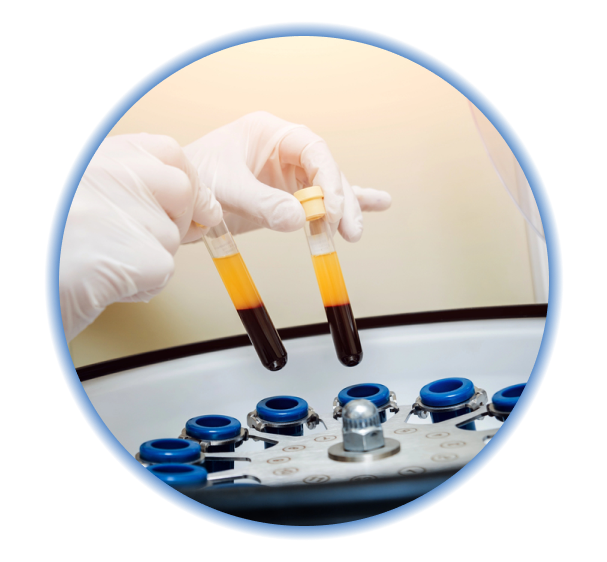
After your blood is drawn, it is placed into a specialized centrifuge that separates and concentrates the platelets from the other blood components.
Platelets are well known for helping blood clot after an injury, but they also contain numerous growth factors and signaling proteins that help coordinate the body’s healing response.
The concentrated platelet solution is then injected into the injured or painful area using sterile technique.
Because PRP comes from your own blood:
Platelets contain naturally occurring growth factors involved in tissue repair.
After PRP is placed into an injured area, these growth factors help coordinate healing processes that may include:
PRP does not create new tissue overnight.
Instead, it helps stimulate and support the body’s own healing response over time.
Because healing is gradual, improvement often develops over several weeks and may continue for months.
PRP has been studied for a variety of orthopedic, sports medicine and chronic pain conditions. Depending on the patient’s diagnosis, PRP may be appropriate for:
-Knee osteoarthritis
-Hip pain
-Shoulder arthritis
-Thumb arthritis
-Ankle pain
-Wrist pain
-Tennis elbow
-Golfer’s elbow
-Rotator cuff tendinopathy
-Achilles tendinopathy
-Patellar tendon injuries
-Hamstring tendinopathy
-Gluteal tendinopathy
-Mild ligament sprains
-Chronic ligament instability
-Partial ligament injuries
-Plantar fasciitis
-Chronic heel pain
-Achilles tendon disorders
-Foot tendon injuries
-Muscle strains
-Chronic muscle injuries
-Soft tissue injuries
Selected patients with chronic soft-tissue pain or spine-related conditions may also be candidates when appropriate.
PRP is not appropriate for every diagnosis, and not every painful condition responds equally well.
Based on your evaluation, our providers develop a personalized treatment plan tailored specifically to your health needs. Treatment frequency and duration vary according to each patient’s condition and response to therapy.
Have chronic joint pain
Have tendon injuries
Have ligament injuries
Want to remain active
Want to delay or avoid surgery when appropriate
Have not responded to conservative treatment
Prefer a treatment using their own blood
Are looking for a non-surgical option
A typical PRP visit includes:

Your provider reviews your symptoms, examination findings, medical history and previous imaging when available.

A small amount of blood is collected from your arm.
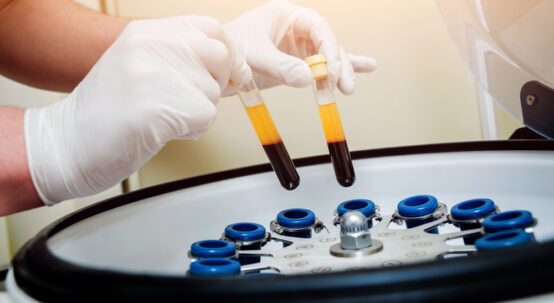
Your blood is processed in a medical centrifuge to separate and concentrate the platelets.

The platelet-rich plasma is injected into the treatment area using sterile technique. Ultrasound guidance may be used when clinically appropriate to improve injection accuracy.

Most patients return home shortly after treatment.
Following treatment, patients may experience:
These symptoms are often part of the body’s normal healing response.
Most patients gradually improve over the following weeks and months.
Your provider will review activity restrictions and rehabilitation recommendations specific to your condition.
The number of treatments depends on:
Some patients improve after a single treatment, while others may benefit from a series of PRP injections.
Your progress is monitored throughout treatment, and recommendations are individualized rather than predetermined.
Because PRP uses your own blood, serious complications are uncommon when performed using proper sterile technique.
As with any injection procedure, potential risks include:
Your provider will review your medications, medical history and any conditions that may affect healing before treatment.
PRP may not be recommended for patients with:
Eligibility is determined after a comprehensive medical evaluation.
At MCE, PRP is often used as part of a comprehensive treatment program rather than as a stand-alone procedure.
Depending on your diagnosis, your provider may recommend combining PRP with:
At Metabolic Centers for Excellence, we believe successful outcomes begin with an accurate diagnosis—not simply treating pain. Every patient receives an individualized evaluation to determine the most appropriate treatment plan.
Our providers consider:
Medical history
Physical examination
Previous treatments
Functional limitations
Activity goals
Imaging studies when available
Overall health
Lifestyle factors
Rather than offering the same treatment for every patient, we develop a personalized plan that may include PRP alone or in combination with other advanced therapies.
Our multidisciplinary approach allows us to treat the whole patient—not just the painful area.

Our goal is to reduce pain, improve function and help patients return to work, recreation and everyday life.
If chronic pain or an injury is limiting your quality of life, PRP therapy may be an option. Our team will perform a comprehensive evaluation and discuss whether PRP is appropriate for your condition.
This webpage is intended for educational purposes only and should not replace individualized medical advice or treatment.
PRP therapy uses a patient’s own blood components and may be considered for selected musculoskeletal conditions. Response varies based on the diagnosis, overall health, severity of injury and individual healing capacity. PRP is not appropriate for every patient or every condition and does not guarantee pain relief, tissue regeneration or avoidance of surgery.
Patients should discuss all treatment options, medications and medical conditions with their healthcare provider before undergoing PRP therapy.