


Inflammation is part of the body’s natural defense system. Short-term, or acute, inflammation helps the body respond to injuries and infections. However, inflammation that continues for an extended period may damage healthy tissues and is associated with several chronic health conditions.
Although no individual food can eliminate inflammation, a consistent eating pattern built around whole, minimally processed foods may help support a healthier inflammatory response.
An anti-inflammatory diet is not necessarily a strict meal plan. It is an overall pattern of eating that emphasizes:
This approach is similar to the Mediterranean diet, which emphasizes plant-based foods, fish, olive oil, whole grains and other nutrient-rich ingredients. Johns Hopkins Medicine identifies the Mediterranean diet as one of the dietary patterns that may be most beneficial for helping manage inflammation.
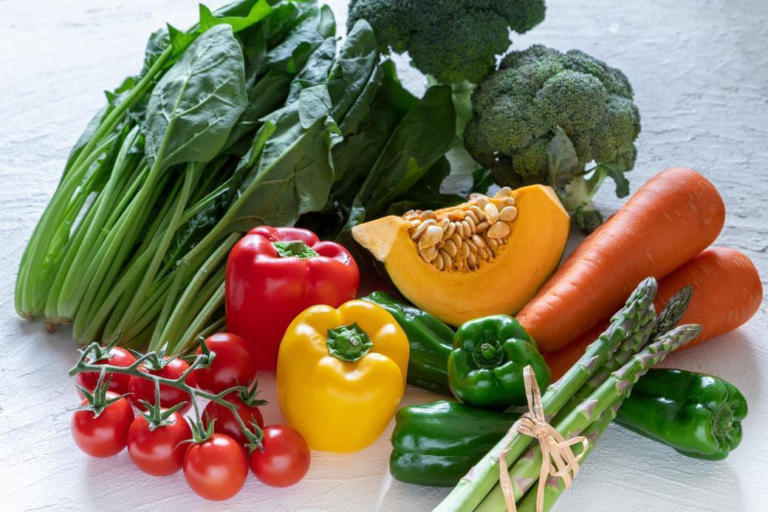
Vegetables contain fiber, vitamins, minerals and plant compounds that support overall health. Try to include a variety of colors throughout the week.
Good choices include:
Green leafy vegetables, tomatoes and other colorful produce provide antioxidants and plant compounds such as carotenoids and polyphenols. These compounds may help protect cells from oxidative stress and support a healthy inflammatory response.
Easy idea: Fill approximately half of your lunch or dinner plate with non-starchy vegetables.
Consider adding:

Berries and cherries contain compounds that have been associated with anti-inflammatory benefits. Citrus fruits also provide vitamin C, an antioxidant that helps protect the body’s cells.
Easy idea: Add berries to plain Greek yogurt, oatmeal or a smoothie without added sugar. Add honey on top to give it a little extra sweetness if needed.
Fatty fish are important sources of omega-3 fatty acids.
Examples include:

Omega-3 fats are commonly included in anti-inflammatory eating patterns. Harvard Health recommends including fatty fish regularly as part of a diet intended to support a healthier inflammatory response.
Easy idea: Replace one meal containing processed or high-fat red meat with baked salmon or trout.
Nuts and seeds provide healthy fats, fiber, plant protein and antioxidants.
Good choices include:
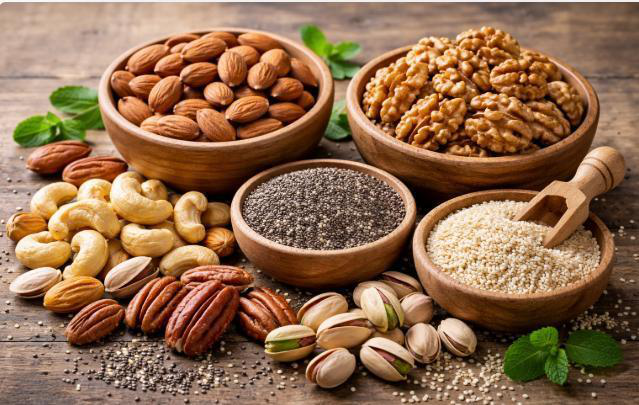
Eating nuts and seeds has been associated with lower inflammatory markers and may also support cardiovascular and metabolic health.
Easy idea: Choose a small handful of unsalted nuts as a snack instead of chips, cookies or candy.
Extra-virgin olive oil is a major part of the Mediterranean diet. It contains monounsaturated fat and polyphenols.
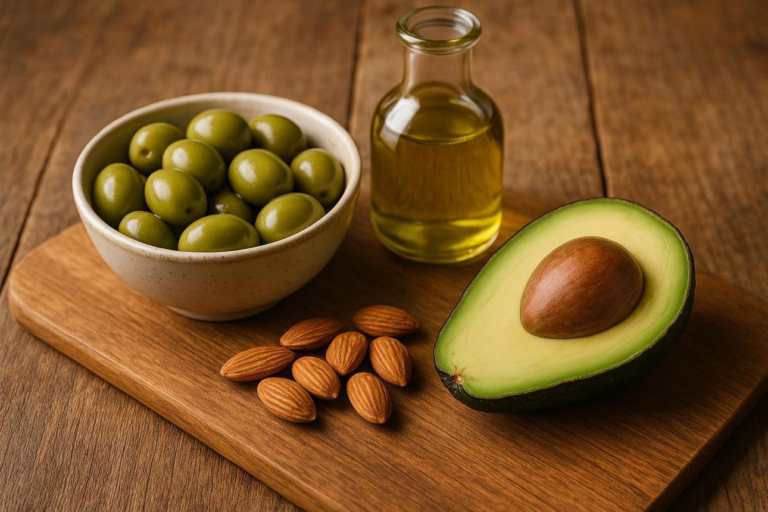
Other healthy-fat options include:
Olive oil, nuts, avocados and fatty fish provide fats that are generally preferred over trans fats and large amounts of saturated fat.
Easy idea: Use olive oil with vinegar, lemon juice and herbs to make a simple salad dressing.
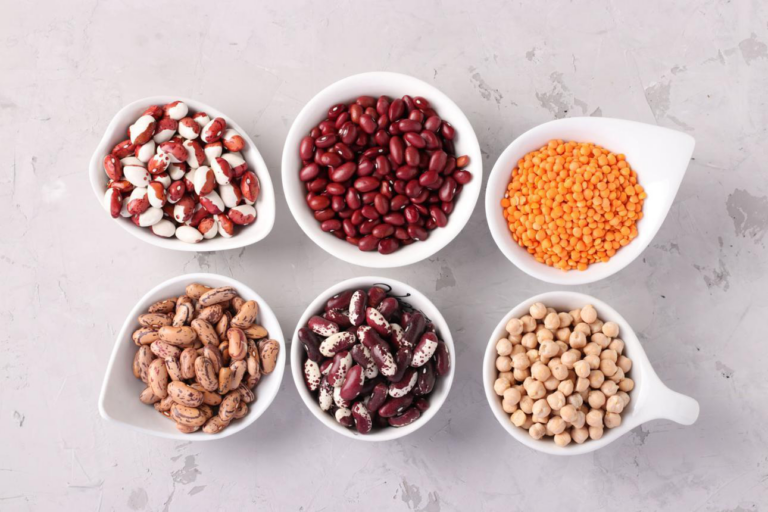
Beans and lentils provide fiber, plant-based protein and important minerals.
Try:
Fiber-rich foods may support healthy gut bacteria. Certain gut bacteria convert fiber into short-chain fatty acids, which have anti-inflammatory properties.
Easy idea: Add beans to salads, soups, chili or grain bowls.
Whole grains retain more of their fiber and nutrients than highly refined grains.
Examples include:
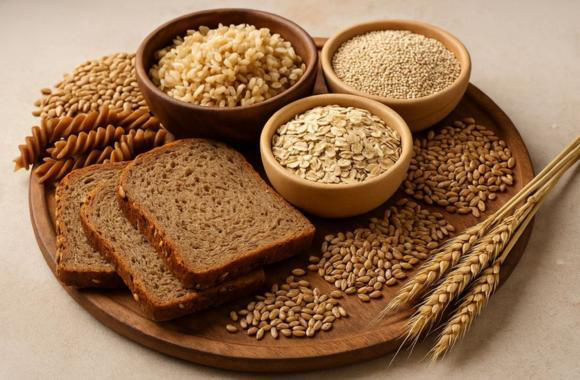
Whole grains are commonly included in Mediterranean and anti-inflammatory eating patterns.
People who closely monitor their blood sugar should still pay attention to portion sizes and their individual glucose response.
Easy idea: Replace white bread, sugary cereal or white rice with a moderate serving of a higher-fiber whole-grain option.
Herbs and spices add flavor without relying on excess sugar or salt.
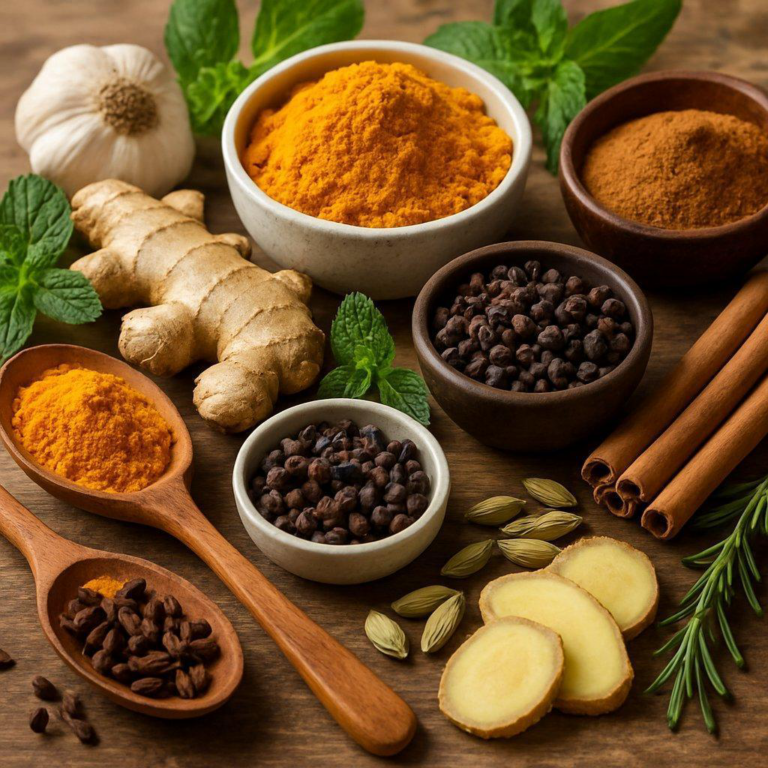
Options include:
Turmeric contains curcumin, a compound with antioxidant and anti-inflammatory properties. However, consuming turmeric as a food is different from taking a concentrated supplement. High-dose turmeric or curcumin supplements may cause side effects or interact with medications.
Easy idea: Add turmeric, garlic and black pepper to roasted vegetables or soups.
An anti-inflammatory lifestyle is not only about adding healthy foods. It may also involve reducing foods that are highly processed or contain large amounts of added sugar, refined carbohydrates, saturated fat or trans fat.
Consider limiting:

Research reviews describe anti-inflammatory dietary patterns as emphasizing fruits, vegetables, whole grains, legumes, nuts and plant-based foods while limiting processed meat, refined carbohydrates and saturated fats.
This does not mean that every food must be completely avoided. The overall pattern and frequency of your food choices are often more important than one occasional meal.

Try building meals using the following general guide:
Sample Meal
You do not need to change your entire diet overnight. Begin with one or two realistic substitutions:
Small changes practiced consistently may be easier to maintain than a highly restrictive diet.
No. Nutritional needs vary depending on a person’s:
For example, someone with diabetes may need to monitor carbohydrate portions, while someone with kidney disease may require individualized limits on potassium, phosphorus, sodium, protein or fluids.
Food can support health, but dietary changes should not replace prescribed medications or medical treatment without guidance from a qualified healthcare professional.
The best anti-inflammatory eating pattern is generally rich in vegetables, fruits, beans, lentils, whole grains, nuts, seeds, fatty fish and healthy oils. It also limits heavily processed foods, refined carbohydrates, sugary beverages and processed meats.
Rather than searching for one “miracle food,” focus on building balanced meals and making sustainable changes over time.

Metabolic Centers for Excellence helps patients understand how nutrition, blood sugar, insulin resistance, metabolic health and lifestyle choices may affect their overall well-being and we treat the root cause of chronic conditions.. Learn How!
This article is provided for general educational purposes only and is not intended to diagnose, treat, cure or prevent any disease. It should not replace individualized medical or nutritional advice. Consult your healthcare provider before making major dietary changes, especially if you have diabetes, kidney disease, liver disease, food allergies, gastrointestinal conditions or take prescription medications.